Just when you think the ‘indies having a moment’ narrative couldn’t get any louder, Coinbase moves from WPP’s Wavemaker to Noble People, citing creativity over scale. Even TBWA, a jewel in Omnicom’s crown, admit clients are “kind of looking for independents”.
But now Forrester has crashed the party, armed with its lead balloon prediction that a fifth of indies will be “squeezed out of the market” in 2027.
So whether you’re an indie riding the wave or a network shop eyeing the tide, let’s unpack Forrester’s report – and the shouty headlines – to see what’s useful.
Where agency value is heading
Forrester’s central idea is a growing divide between “intelligence-powered partners that orchestrate versus production-focused vendors that execute”. It’s a useful provocation, although the broad definition of orchestration leaves room for expert ‘executional’ agencies to recognise themselves in that category.
The bigger question is how Forrester’s predictions can help you thrive. Some reinforce essential choices, while others warrant qualification or monitoring.
For example, their emphasis on strategy, distinctive creative thinking and AI transformation is right. As are references to creator marketing and commercially impactful brand experiences. There’s plenty of opportunity to apply your expertise to solve high-value client problems.
Forrester reinforces this case for focus with its confidence in specialisation and caution around mid-market blandness – “Strategic specialists and technology-enabled agencies will thrive, while midsize generalists will face further margin compression.”
To be clear, being a ‘specialist’ isn’t about your disciplines or capabilities – it’s about how you deploy them to deliver impact for clients. Being ‘full-service’ or ‘integrated’ is no more a differentiator than ‘ambitious clients’ is a target audience.
Making AI work commercially
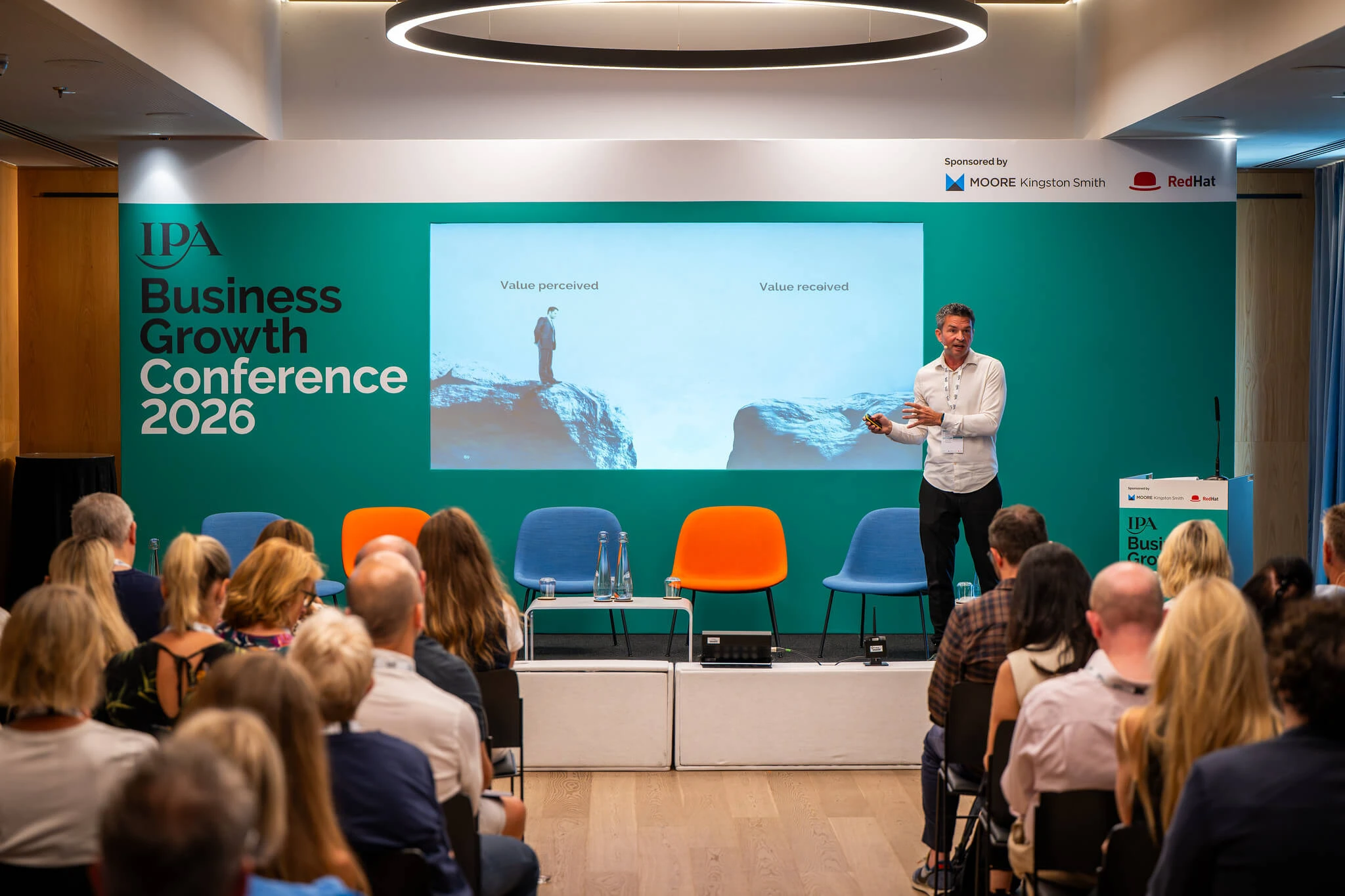
Unsurprisingly, AI features heavily in Forrester’s predictions – including the eye-catching stat that “only 9% [of agencies] monetize generative AI, while 61% treat it as a cost of doing business.” But charging separately for AI isn’t a decisive test. What matters more is whether your total price reflects the value your client perceives (and whether you’re exploring effectiveness, not just efficiency).
Alongside value capture, keep your eye on the underlying costs. Forrester argues that equity market subsidies obscure AI’s true economics, so assumptions about cheap production are fragile. As AI pricing matures, they warn that “AI will cost more than the agency jobs it’s meant to replace.”
A more immediate risk is clients bringing AI-enabled templated production in-house. This is the strongest support for the orchestrators vs executors idea. But wherever thinking meets doing in your agency, once again, ensure clients value – and are willing to pay for – your judgement.
Forrester also predicts that “Three-fourths of agency RFPs will require AI transformation expertise.” I like the positivity, but whether this is a risk or an opportunity depends on your place in the ecosystem. A client hiring Mischief for its creativity won’t expect technology implementation and change management too.
Bringing balance to the headlines
Returning to the ‘indies are doomed’ headlines, what Forrester actually predicted was that “20% of the world’s estimated 50,000 independent agencies will face acquisition, downsizing, or closure.” Clearly these are very different outcomes – and acquisition often signals success rather than distress.
Turning to holdcos, Forrester predicts that “Half of global holding company revenue and service delivery will flow through proprietary marketing operating systems” in 2027. That may well be true, but the implications extend to agencies of all ownership models. So consider how technology supports your distinctive client promise and enables profitable delivery.
Will you have your moment in 2027?
Echoing Mark Twain’s famous clarification, reports of indies’ sudden demise have been exaggerated. But as ever, our fondness for black-and-white dichotomy obscures much helpful nuance.
Clearly certain indies can win significant accounts while others remain vulnerable. Likewise, holdco-owned agencies face the same need to stay relevant and vital.
And whether you identify as an ‘orchestrator’, an ‘executor’ or both, smart agencies are getting more focused – clarifying where they win and then organising their expertise, technology and operating model to deliver greater client value at premium prices.
So your biggest priority for 2027 is to claim your own unique space. This deeper, more tangible differentiation doesn’t just power sustained commercial success; it also unlocks the internal momentum needed to make change stick.
That’s how to make your moment last.
Image: Ian Schneider